AI as an executive's working tool.

Two days of practice for executives. AI in documents, analytics and decisions.

Each participant works on their own laptop, with their own documents and their own tasks. I built the program from practice I run in my own companies.

Why this, now

Context matters more than the model

The quality of an AI response depends on the context you give the model. Context engineering is a separate skill. The line between serious use and a toy runs through it.

The adoption paradox

Automation without rebuilt processes does not move financial results. If a routine task drops from three hours to twenty minutes, the freed two and a half hours don't turn into revenue on their own. The program addresses both questions: which working principles deliver an effect and how to rewrite processes so it stays.

From practice

I run AI in management across my companies — from document analysis to autonomous agents in operations. I built the program from these cases. What I show in the room is what runs in one of the engineering holdings and in several partner projects.

More on this — in the essay 'Lazy and curious — my baseline stack'.

What you take away

Each block ends with a concrete result: a hand-built artefact for the participant's working task. By the end of day two there are six.

  1. 01

    Hands-on with leading AI models

    Direct practice across several leading platforms — with a clear sense of which one fits which task.

  2. 02

    Analysis of your own working document

    Summary, answers to questions, surfaced contradictions — on a real file you brought.

  3. 03

    A presentation on your working topic

    Built by hand in 15–20 minutes, with export to standard office formats.

  4. 04

    A working mini-tool

    A calculator, checklist or mini-dashboard for your own task — built in dialogue with a model, no code.

  5. 05

    A live agent environment

    Local environment for AI agents on the participant's laptop. Template TOR for an agent for your own department.

  6. 06

    A personal adoption plan

    A one-page document with three tasks to convert into agents over the next quarter.

Program

Two days, five blocks. We start with the models. Then we work on real tasks. Then we build mini-tools of our own. We end with an adoption strategy.

01

AI models today and context engineering

90 minutes

AI models on the market: how they differ, which tasks they solve better and which worse. Modes of operation and when to use which. Context window, tokens, limitations. Six elements of a structured request. Cross-checking between models as a verification technique.

A practical template for setting tasks for AI and an understanding of where its boundaries are.
02

AI analyst: documents, data, knowledge bases

90 minutes

Eight typical document tasks: summary, comparing versions, finding contradictions, translation, reading tables, cross-format matching. Where models give a result, where verification is mandatory. Confidentiality and working with your own data inside a corporate perimeter.

A finished analysis of your own working document. A mini knowledge base built from your materials.

03

AI creator: presentations, images, video

90 minutes

Presentations, images and video through AI: which visual tasks an executive can solve unaided, which still need a designer. The boundary of AI generation in business communication.

A presentation on your working topic, hand-built in 15–20 minutes.

05

AI agents and an adoption strategy

75 minutes

An AI agent as a digital colleague: a job description, file access, autonomous work over several hours. A company knowledge base in a format agents can read. Skills as specialized agents for individual functions.

A live agent environment on the participant's laptop. Template TOR for an AI agent for your own department. A one-page quarterly adoption plan.

Formats

The program is the same. Three formats: open online, open in-person, corporate adaptation for a team. Open programs — registration and pricing on the SBE Engineering site.

Online

1 day · 6 hours · 4 blocks · up to 50 participants

from $1,500

  • AI models on the market: which and what for
  • Context engineering
  • AI for documents
  • Content generation

Full AI Mastermind program

2 days · 12 hours · 5 blocks · in-person · up to 50 participants · Satbayev University, Almaty or travel

from $5,000

  • Everything from the online format
  • Vibe coding
  • AI agents and automation
  • Group challenge
  • Personal strategy + certificate

Host

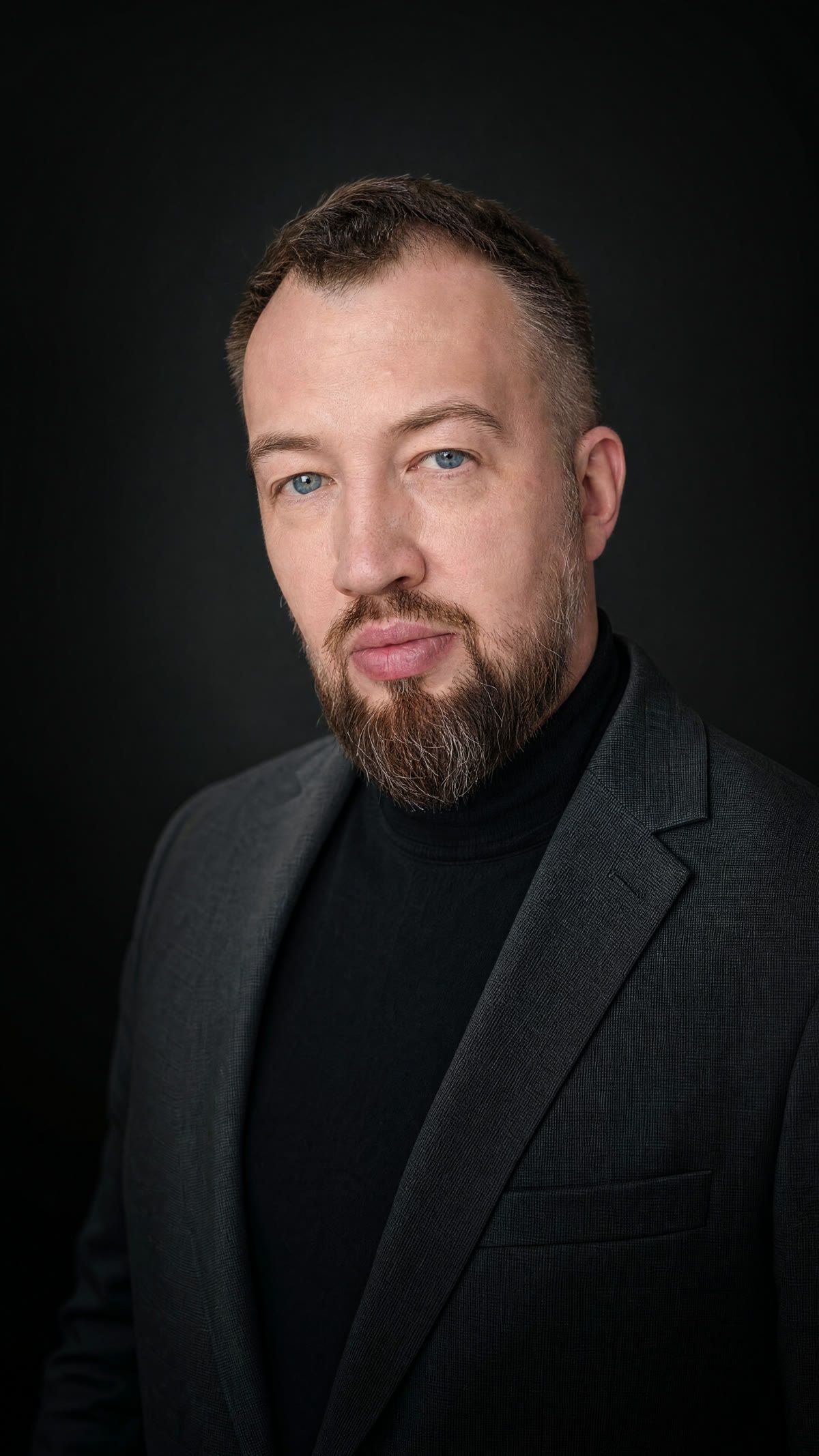
Alexander Narizhny. Founder of ECOTEC Engineering — a research and production holding with three plants in Kazakhstan, supplying enterprises of the Samruk-Kazyna group. Partner of Satbayev University: joint AI labs and management AI sessions for the university leadership and state-owned companies.

I work to ICF standards; my focus is management change.

Read more

Partnership

AI Mastermind is an educational format from Satbayev Business Engineering at Satbayev University. Open programs run with the university support in Almaty. The corporate format runs at your site or in Almaty, by arrangement.

sbe.engineering

From practice

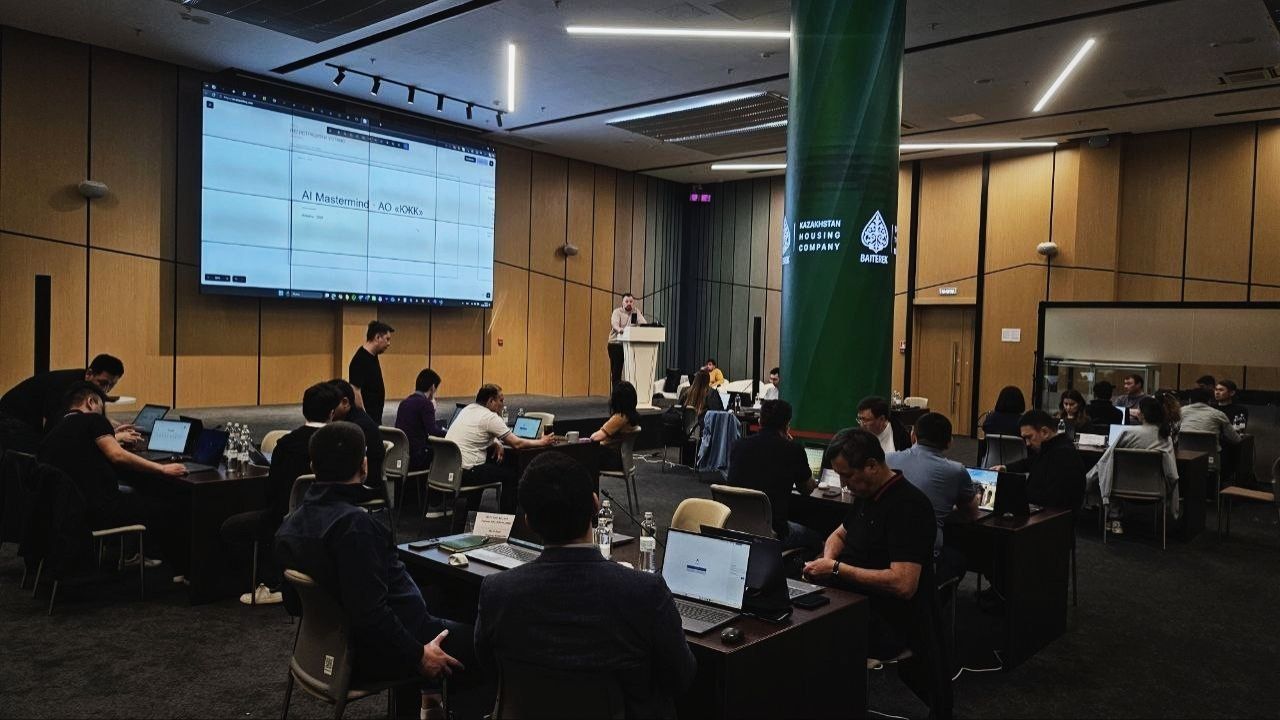
Group session at the KHC AI mastermind, April 2026, Astana
A still from the AI mastermind working session for the Kazakhstan Housing Company team

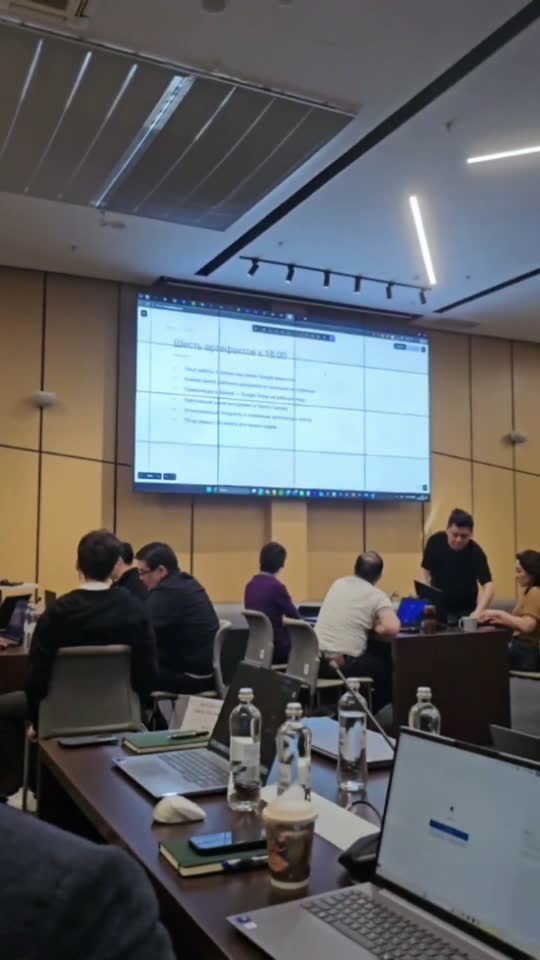
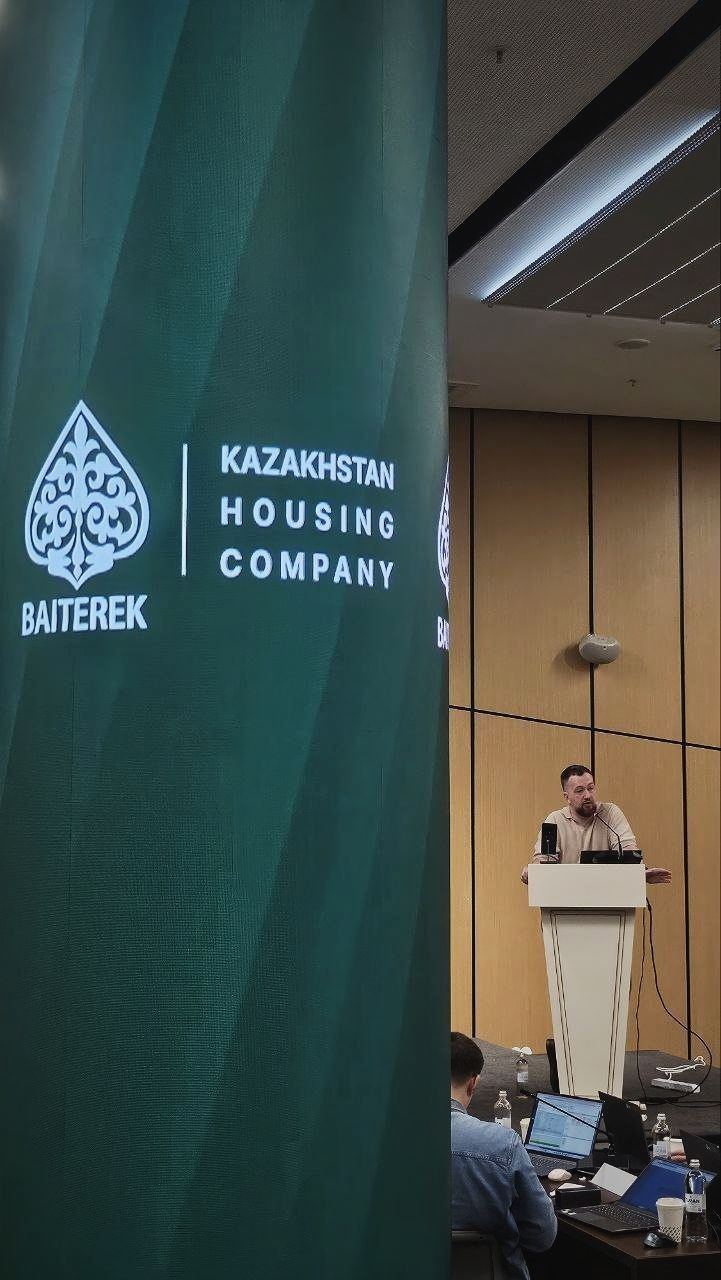
I run the open format at Satbayev University — for the university leadership and the management of state-owned companies. Corporate sessions go on the client's site. In April 2026 we worked with the Kazakhstan Housing Company team (a subsidiary of Baiterek Holding), in Astana.

Working session with the KHC team, April 2026

A still from the KHC AI mastermind session

Frequently asked questions

Do I need technical skills?

No. The program is made for executives without a technical background. Confident use of a browser is enough.

What do I take away?

Six concrete artefacts: hands-on with leading AI models, analysis of your own working document, a finished presentation, a working mini-tool, a live agent environment on your laptop, and a one-page adoption plan.

Online or in-person?

The same program. The in-person session moves faster — assistant facilitator and group dynamics. Online suits distributed teams and is preserved as a recording.

How do I arrange the corporate format?

Through the application form. Duration, group composition, cases and venue are agreed individually.

How quickly does the material go stale?

The base methodology — context engineering, cross-checking between models, agents as digital colleagues, the adoption paradox — is stable on a horizon of years. Specific models and interfaces change between sessions. The program is updated for every delivery.

Where shall we start

Two ways in. Open programs — registration on the SBE Engineering site, format and price are listed. Corporate — a few lines through the application form, then we agree the rest individually.